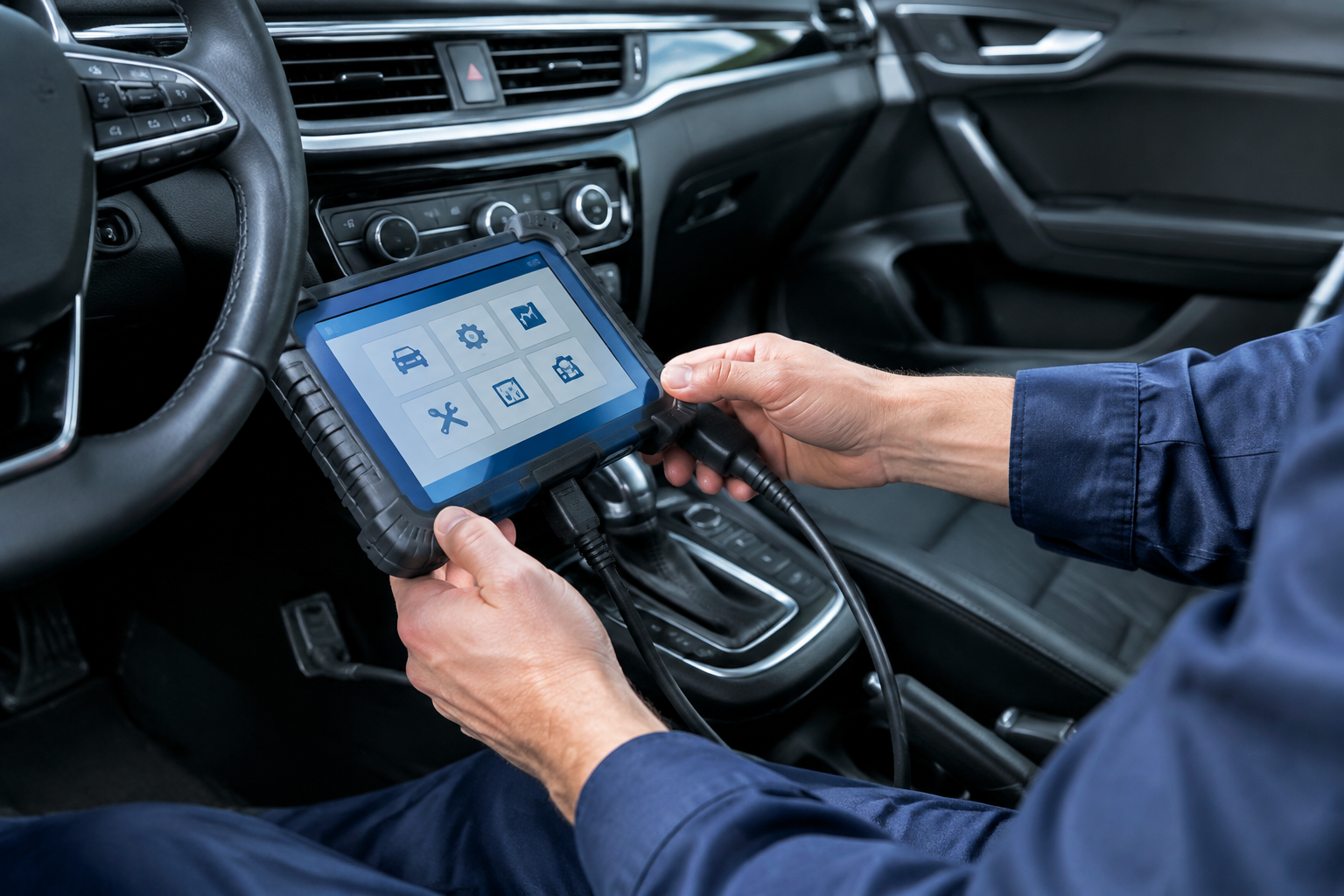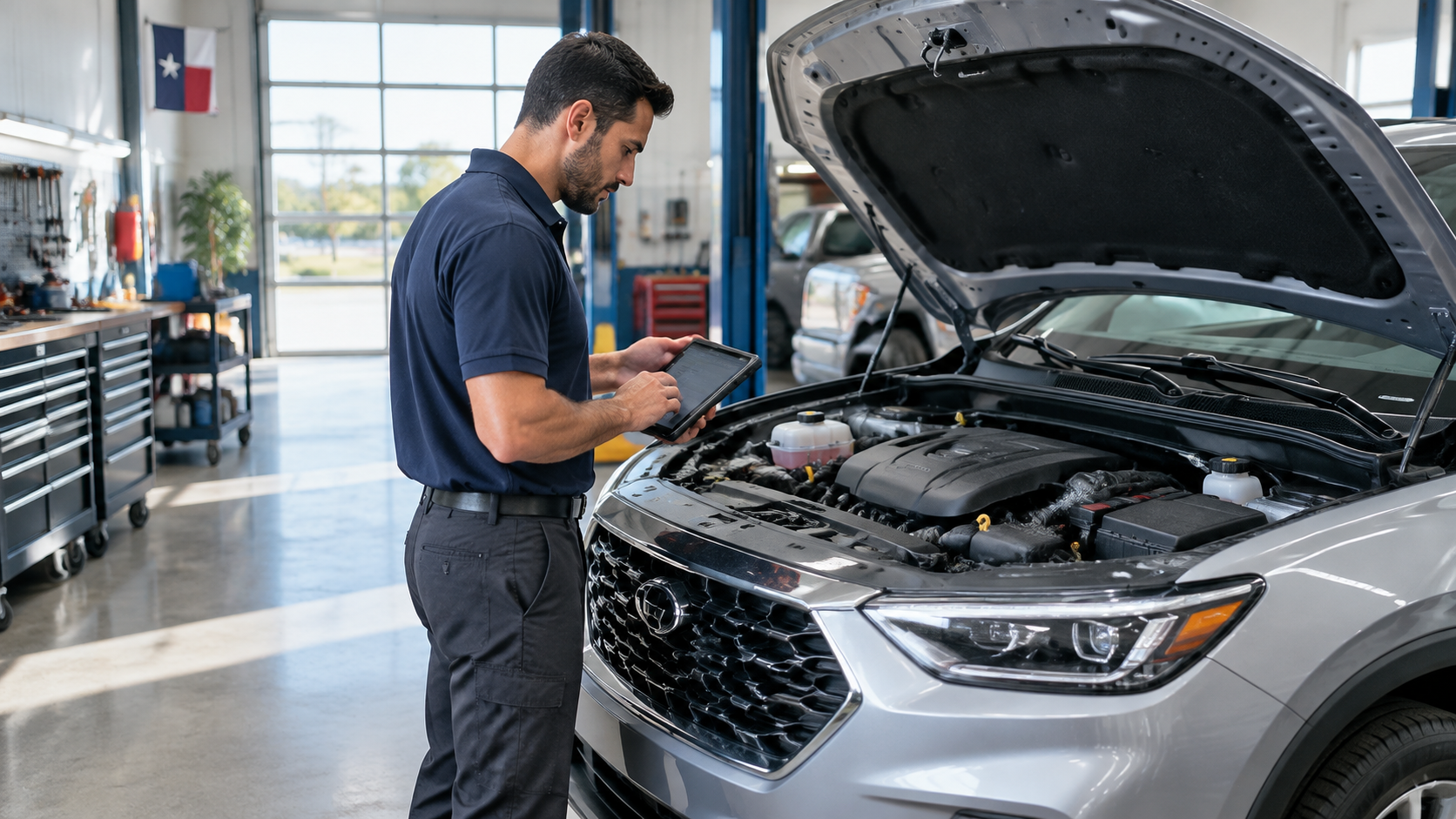
Enter the vehicle’s VIN in NHTSA’s recall lookup, then contact the manufacturer or an authorized dealer about any open campaign. A clear search is useful, but it is not a condition report or proof that every past recall repair was completed.
Tap each item as you review it.
A practical way to approach how to check used car recalls
Identify
Match the vehicle VIN to the listing and paperwork.
Start with the VIN on the vehicle
Obtain the VIN before making a trip or paying a deposit. Compare the advertisement with the identification visible on the vehicle and the ownership paperwork. A mistyped digit can produce irrelevant results or no result at all. Older vehicles may require different research because modern VIN-based tools have coverage limits. Keep a dated record of your search so you know which vehicle and information you reviewed.
Read the campaign, not just the recall count
For each open campaign, review the affected component, safety risk, remedy status, and any interim owner instructions. Some campaigns include urgent precautions, such as parking outside or not driving; follow the applicable manufacturer and NHTSA guidance. Do not assume the car is safe to drive because it starts normally. Ask an authorized dealer whether the specific VIN is eligible for the remedy and whether parts are available.
Understand what the lookup leaves unresolved
NHTSA explains that its VIN search does not show every category of recall information, including already repaired safety recalls and certain older or recently announced campaigns. Non-safety service campaigns are also different from safety recalls. A zero-result search therefore should not end your review. Ask the manufacturer about the VIN, request relevant repair invoices, and recheck when a newly announced campaign may not yet appear.
Keep recall status separate from inspection condition
Recall completion does not establish brake wear, accident-repair quality, tire condition, or engine health. Use recall research alongside an independent inspection and document any agreement about repairs before purchase. Dallas Pre Purchase Inspection charges $249 for every buyer inspection package, serves Dallas and cities within 50 miles, and is open daily 7:00am–11:45pm. Recall-remedy availability and scheduling must be confirmed with the manufacturer’s authorized repair channel.
- Ask for a repair order identifying the VIN and campaign when work is completed.
- Do not treat a seller’s verbal assurance as independent confirmation.
Questions answered about how to check used car recalls
Are safety recall repairs generally free?
Manufacturers generally provide applicable safety recall remedies without charge, but eligibility and statutory age limits can matter. Confirm the specific VIN and remedy with an authorized dealer.
Does no open recall mean the car is safe?
No. It only addresses the recall information returned by that search. Wear, damage, neglected maintenance, and other defects still require evaluation.
Should the seller complete a recall before I buy?
That is often preferable when a remedy is available. Urgent instructions, unavailable parts, or uncertain repair timing should be resolved before deciding whether to proceed.