A mobile inspection brings the assessment to the vehicle; a shop inspection requires transporting the vehicle to a facility. Choose based on the access and testing your purchase needs, not convenience alone. Either setting can leave questions unresolved if equipment, permission, or the agreed scope is insufficient.
Tap each item as you review it.
A practical way to approach mobile vs. shop pre-purchase inspection
Identify needs
List the access and testing the vehicle requires.
When inspecting at the vehicle’s location helps
A mobile arrangement can simplify coordination when the seller prefers to keep the vehicle on-site or when you are buying remotely. It avoids arranging a separate trip to a facility, provided the location offers safe, legal, and suitable working conditions.
The setting still matters. Uneven ground, tight parking, poor lighting, weather, and property rules can restrict access. Ask how underside visibility and driving checks will be handled. Portability does not automatically establish that every area can be examined or every diagnostic procedure performed.
When a facility may provide useful access
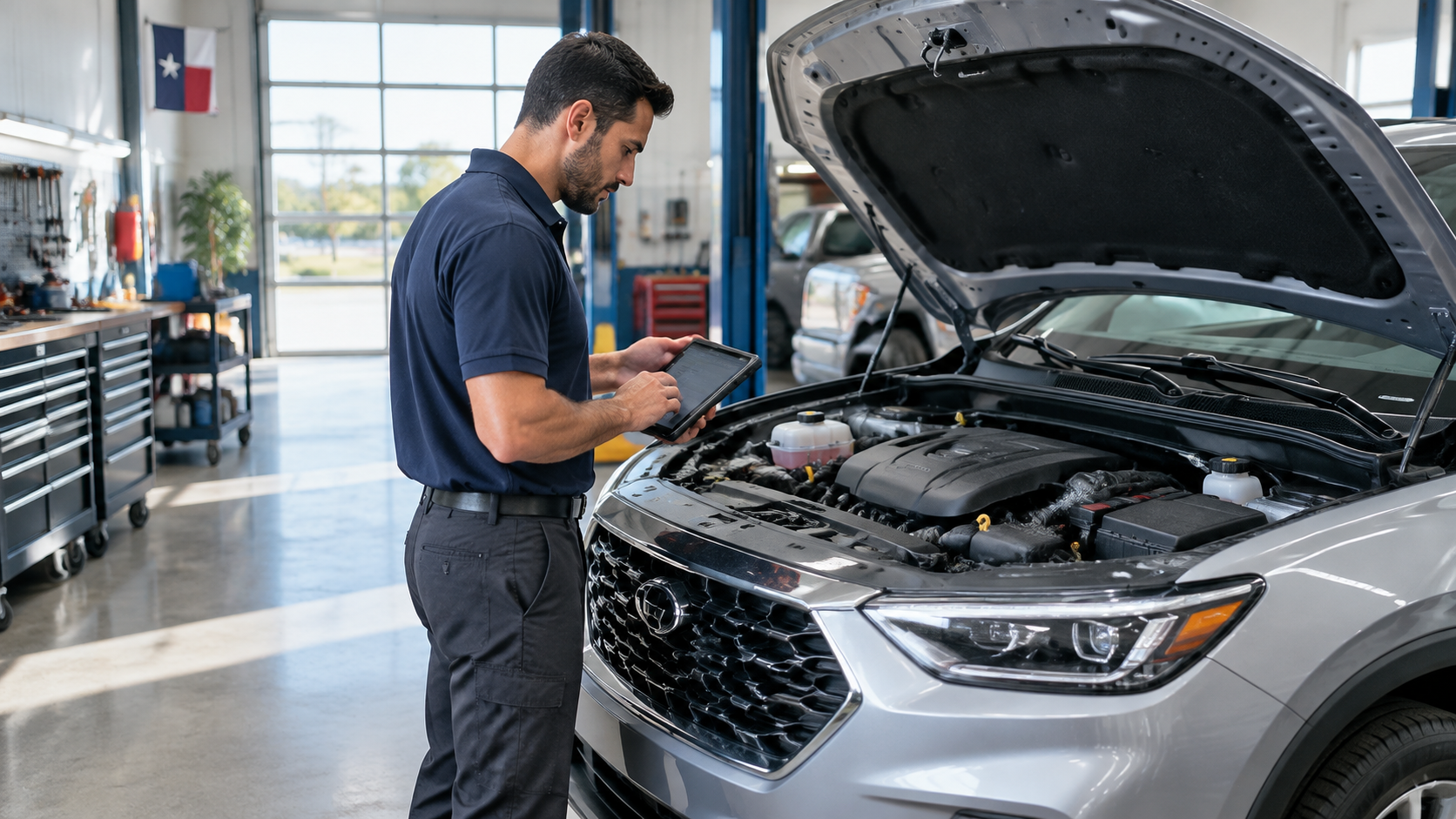
A suitably equipped shop may offer a lift, controlled lighting, and equipment for more targeted testing. That can be useful when a concern requires closer underside examination or a procedure that is impractical at the seller’s location. Confirm the actual equipment and authorized work rather than assuming every shop offers everything.
The seller must agree to transport or release the vehicle, and insurance and scheduling arrangements need to be clear. Shop access also does not automatically include disassembly, internal engine testing, alignment measurement, or specialist diagnosis. Those are scope questions, not guaranteed features of the address.
Evaluate scope rather than choosing a label
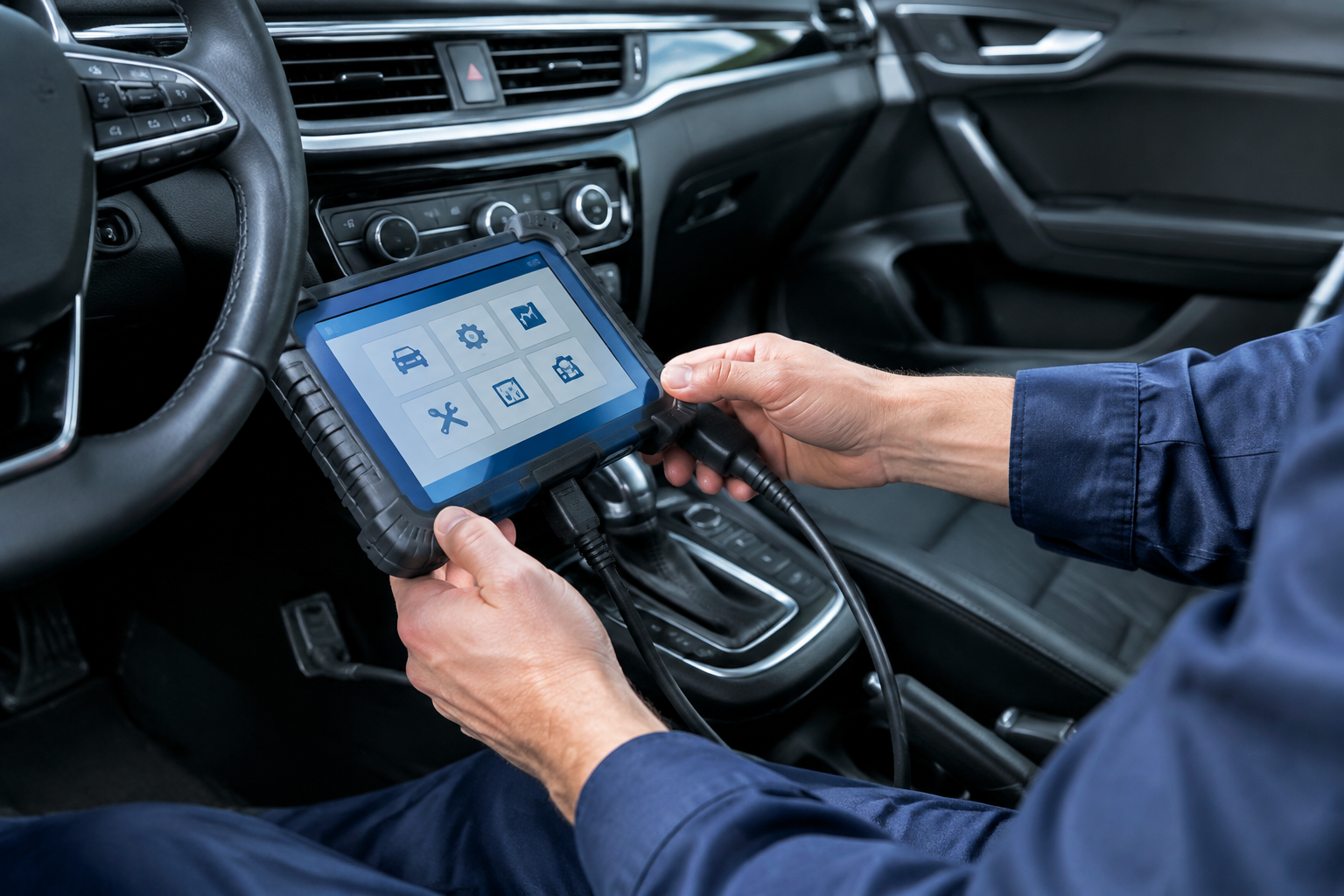
Ask both providers what systems will be checked, which modules the scanner can access, whether a road test is permitted, and how limitations are recorded. Vehicle familiarity and the clarity of the findings matter alongside equipment. A lift alone cannot establish the health of every internal component.
For a classic, modified, luxury, hybrid, or electric vehicle, explain your specific concerns before booking. A general buyer assessment and a targeted specialist test serve different purposes. You may need one, the other, or both depending on what remains uncertain.
Match the setting to the purchase risk
Start with the questions that could change your decision. If the main issue requires access unavailable on-site, arrange a suitable facility or make the purchase contingent on resolving that issue. If the seller will not permit the necessary access, factor that uncertainty into whether you continue.
Dallas Pre Purchase Inspection charges $249 for every buyer inspection package and serves Dallas and cities within 50 miles. Confirm the proposed arrangement and scope directly. Whichever setting you choose, a non-destructive inspection remains a snapshot rather than a guarantee against future failures.
Questions answered about mobile vs. shop pre-purchase inspection
Is a mobile inspection always less thorough?
No. Thoroughness depends on scope, equipment, conditions, and access. Some checks suit an on-site visit; others require a facility or specialist equipment.
Does a shop inspection always include lift access?
Do not assume so. Confirm lift availability, whether its use is included, and whether the vehicle can safely be lifted under the proposed conditions.
Can I start mobile and arrange further testing later?
That may be practical if everyone agrees. Keep the purchase decision open and confirm separate arrangements and pricing for any follow-up work.