A pre-purchase car inspection is an independent assessment of a vehicle’s observable condition before you buy it. It helps identify existing concerns, maintenance needs, and areas requiring further diagnosis. It is not a warranty, a complete teardown, or a prediction that nothing will fail later.
Tap each item as you review it.
A practical way to approach what is a pre-purchase car inspection?
Define
Identify the vehicle, concerns, and inspection scope.
An assessment made before you commit
The inspection gives you condition information while you can still negotiate, request repairs, seek more testing, or choose another vehicle. Arrange it after identifying a serious candidate but before accepting purchase terms that prevent you from responding to the findings.
Independence matters because the person assessing the vehicle is not simply repeating the sales presentation. Even so, ask about scope, equipment, vehicle familiarity, and reporting. The label “pre-purchase inspection” does not establish one universal checklist across every provider.
What an evaluation may examine
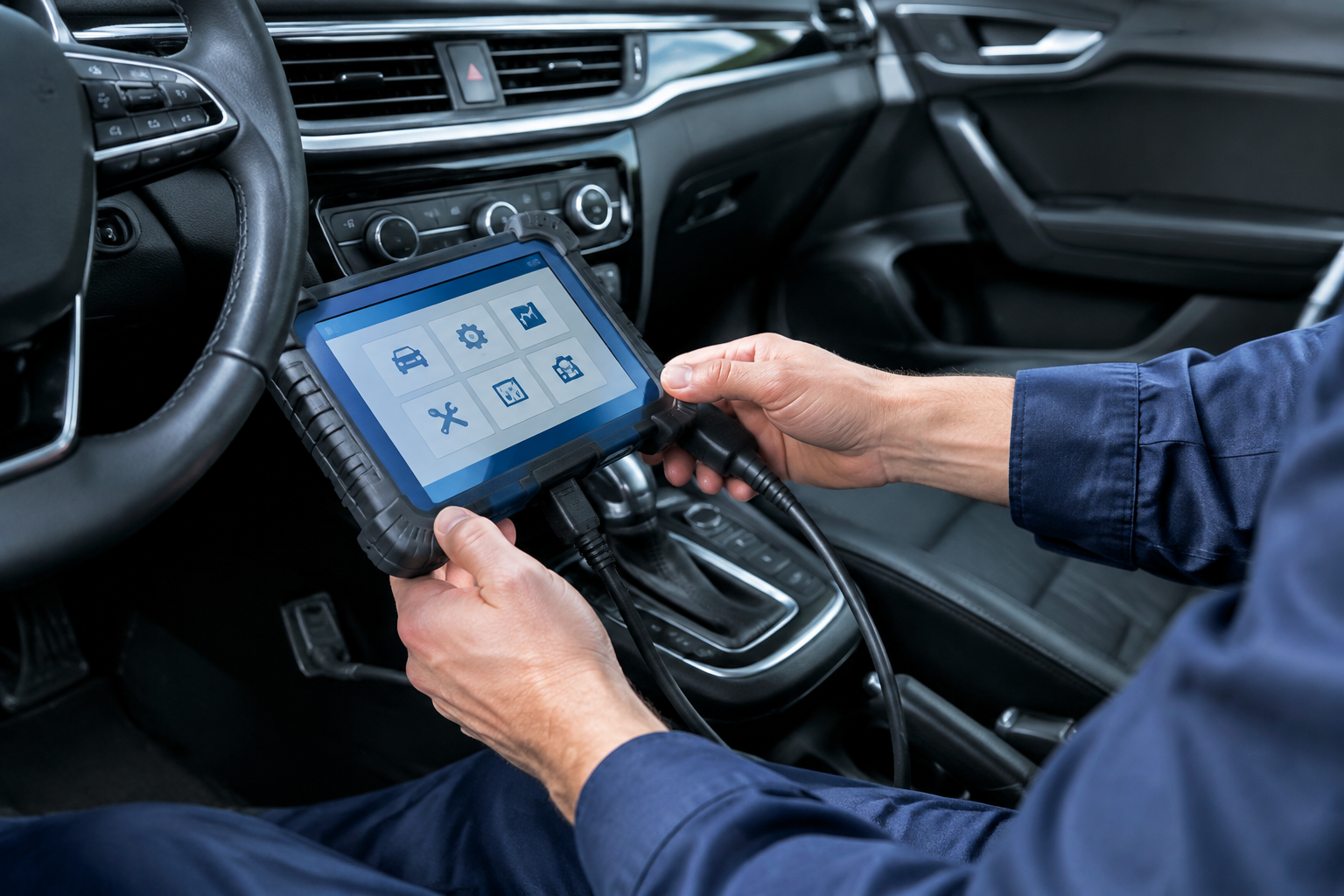
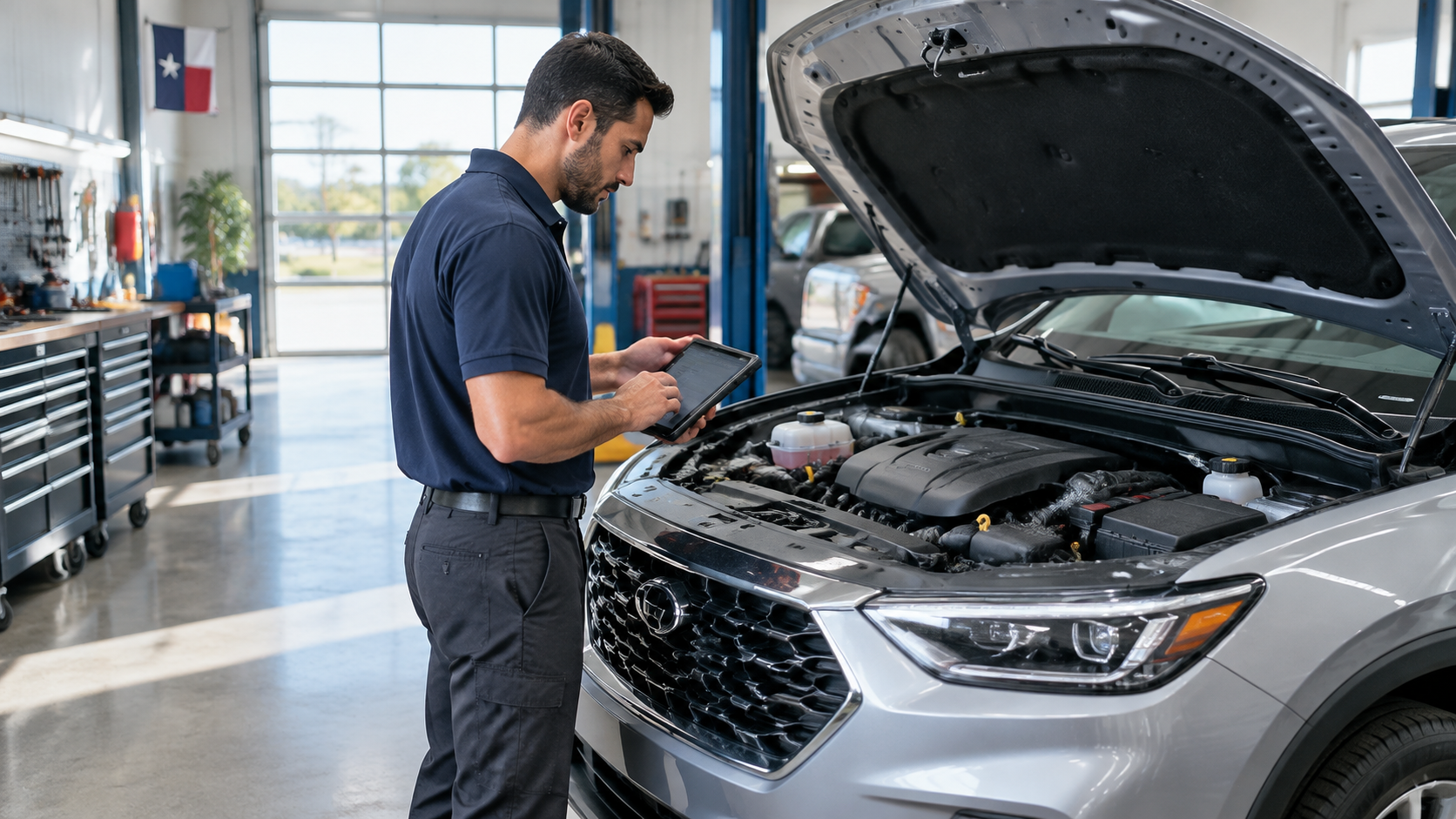
Depending on access and the agreed scope, an evaluation may examine body condition, visible structure, tires, brakes, suspension, fluid leaks, cabin equipment, warning indicators, and electronic fault information. An authorized road test can add evidence about steering, braking, shifting, noises, and operating temperature.
Different vehicles raise different questions. A pickup may warrant attention to towing-related wear, while a hybrid or electric vehicle introduces high-voltage components and charging considerations. Confirm whether specialized testing is included rather than assuming every system receives the same depth of analysis.
Why history and ownership checks remain separate
A history report summarizes records available to its provider. A condition inspection examines the vehicle as presented. Either can reveal something the other misses: an undocumented repair may be visible, while a past event may appear in records without leaving obvious accessible evidence.
Title review and recall research also serve distinct purposes. Check ownership documents through appropriate channels and use the VIN to search NHTSA recalls. Neither a clear recall search nor apparently orderly paperwork establishes the vehicle’s overall mechanical condition.
Read limitations as carefully as findings
Most buyer inspections are non-destructive. Hidden internal wear, intermittent faults, covered surfaces, and problems that occur only under specific conditions can escape detection. Weather, seller restrictions, a discharged battery, or unavailable driving access may narrow what can be evaluated.
Use findings to identify urgent safety concerns, likely maintenance, and unresolved questions. Dallas Pre Purchase Inspection charges $249 for every buyer inspection package and serves Dallas and cities within 50 miles. Confirm the proposed scope and any access limitations before arranging the visit.
Questions answered about what is a pre-purchase car inspection?
Is this the same as a state-required inspection?
No. Regulatory inspections follow their own requirements. A buyer inspection addresses purchase-related condition questions, with scope determined by the service and available access.
Does the inspector approve or reject the car?
Findings inform your decision. Your budget, risk tolerance, intended use, and willingness to address repairs determine whether the vehicle is suitable for you.
Can an inspection guarantee no future breakdowns?
No. It assesses available evidence at a particular time and cannot eliminate uncertainty about concealed damage, intermittent faults, or future wear.