A useful used car inspection checklist covers identity and ownership records, structural condition, mechanical systems, electronic diagnostics, and driving behavior. Start with your own screening, then arrange an independent pre-purchase inspection before paying or signing an unconditional purchase agreement.
Tap each item as you review it.
A practical way to approach used car inspection checklist
Screen
Review identity, records, and visible condition.
Start with the vehicle’s identity and records
Compare the VIN on the dashboard, door label, seller’s documents, and vehicle-history report. Investigate discrepancies before proceeding. Ask for maintenance invoices rather than relying only on a clean-looking engine or a verbal service history. A history report can supply useful leads, but missing entries do not establish that a vehicle has never been damaged.
Check the VIN for open safety recalls through NHTSA. Review ownership and transfer requirements separately: an inspection evaluates condition, not the seller’s legal authority to transfer the vehicle or the accuracy of every historical record.
Inspect the car before the engine starts
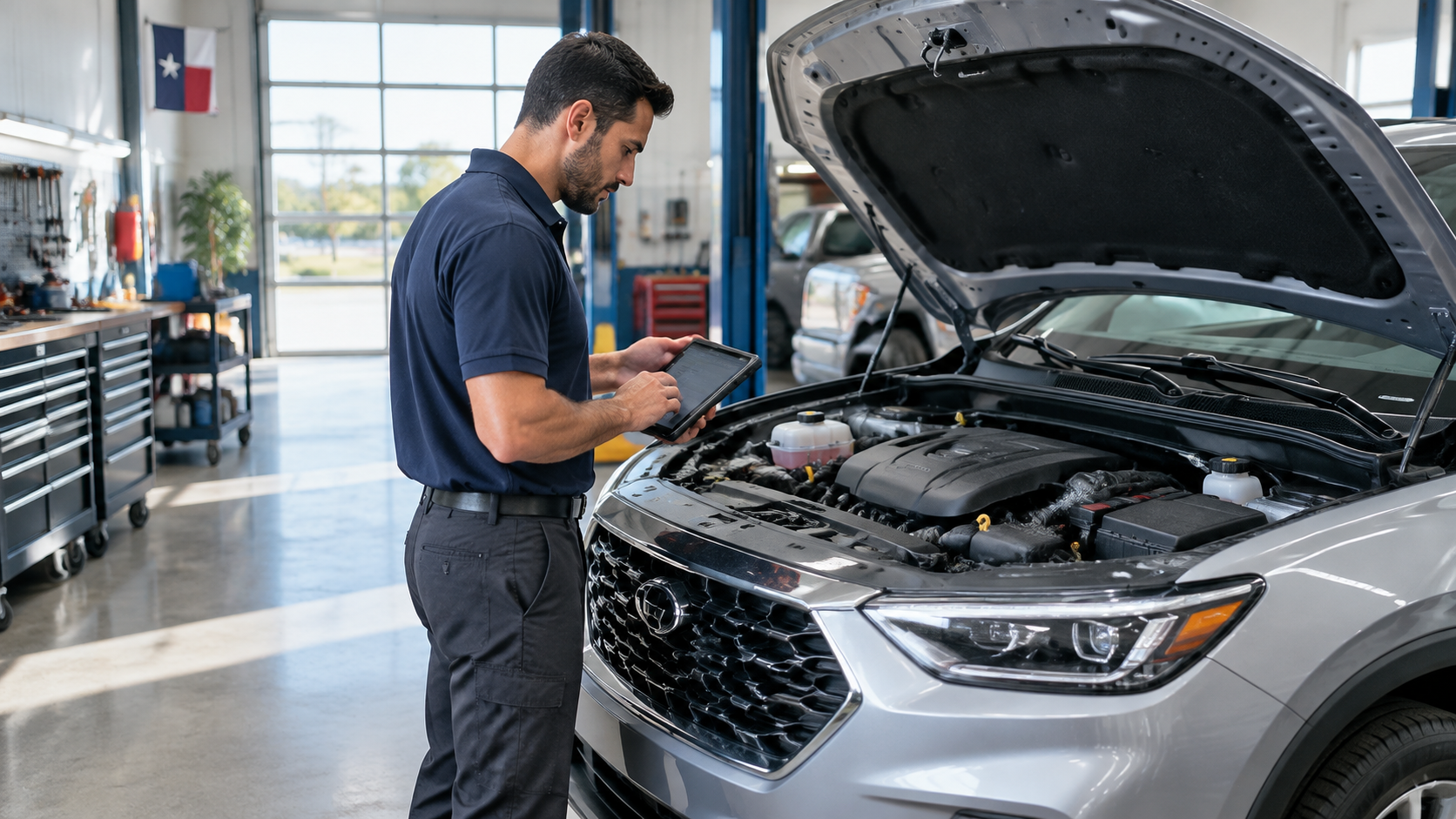
Ask to see the vehicle cold when practical. Look for uneven panel gaps, overspray, water staining, damaged underbody areas, and fluid residue. Check tire tread and sidewalls, including mismatched tires or uneven wear. These findings can suggest questions about alignment, repairs, or maintenance without proving a single cause.
Inside, operate windows, locks, lighting, climate controls, seat adjustments, and other important equipment. Confirm that warning lamps illuminate during the initial check and note any that remain on after starting.
Combine a road test with diagnostic evidence
With permission and appropriate insurance, assess starting, idle quality, steering, braking, shifting, and temperature behavior on a safe route. Listen for noises during acceleration, turns, and stops. Never perform abrupt maneuvers or interact with a scanner while driving.
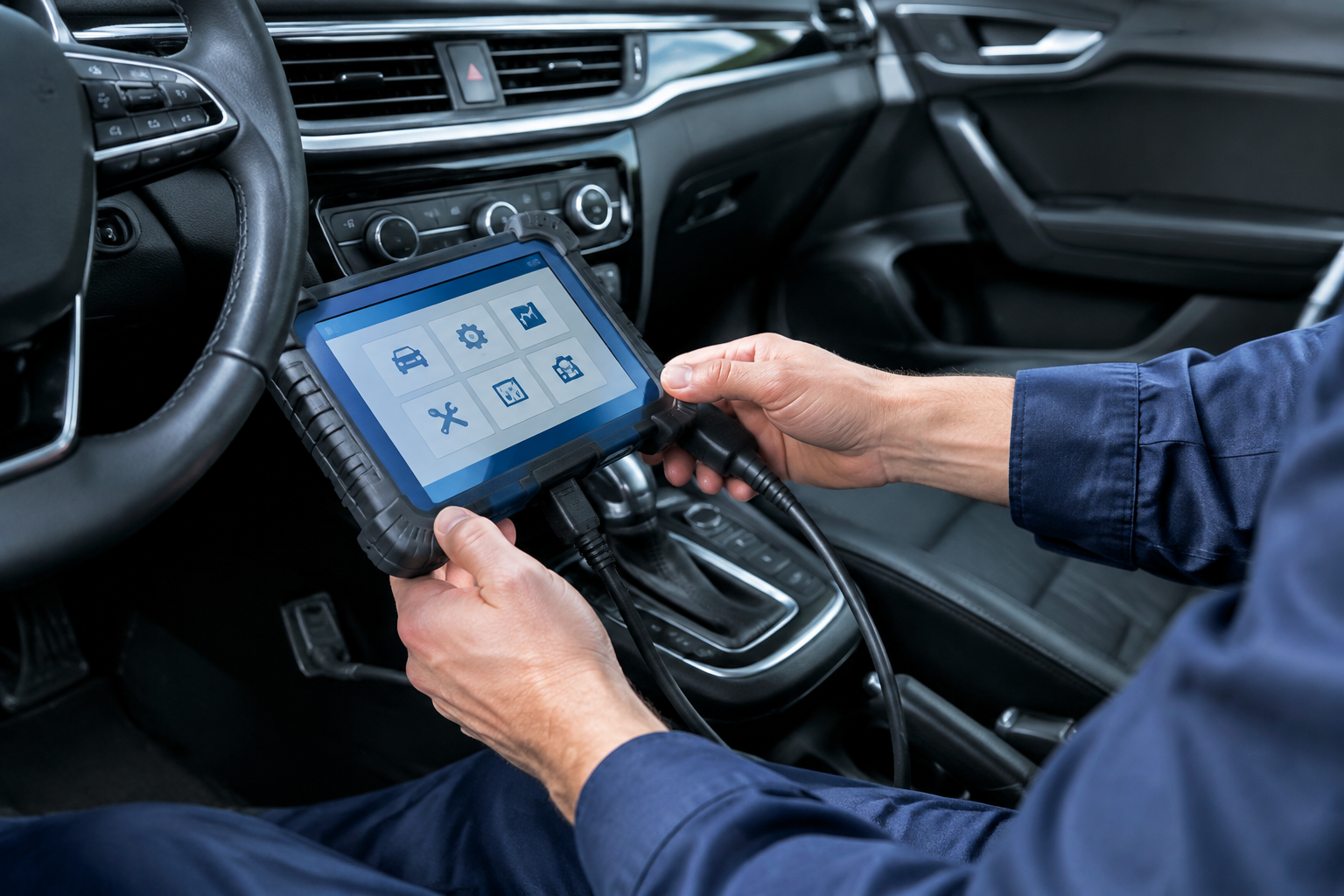
Diagnostic trouble codes and readiness information add context, but a code is not a complete diagnosis. A clear scan cannot establish that every mechanical component is healthy. Pair electronic findings with physical observations and the vehicle’s maintenance requirements.
Separate immediate risks from ownership planning
Organize findings into safety concerns, further-diagnosis needs, overdue maintenance, and cosmetic preferences. Obtain repair estimates when a finding could change your budget. Consider purchase price and likely near-term work together rather than treating every imperfection as an automatic reason to walk away.
Dallas Pre Purchase Inspection charges $249 for every buyer inspection package and serves Dallas and cities within 50 miles. Confirm access and inspection scope before scheduling, particularly when underbody visibility or a road test may be restricted.
Questions answered about used car inspection checklist
Can I use this checklist instead of hiring an inspector?
Use it to screen vehicles and ask better questions. It cannot replace diagnostic experience, suitable equipment, or access needed to assess concealed areas.
Does a clean history report mean the car is safe?
No. Reports depend on available records and may omit damage or repairs. Evaluate present condition and check recalls independently.
Should every inspection finding stop the purchase?
No. Minor wear may be manageable. Safety defects, unexplained discrepancies, and expensive uncertainty deserve a different response than ordinary cosmetic wear.